What are food hygiene ratings?
Food hygiene ratings are used across the UK to show how well a food business meets food safety standards. They are based on inspections carried out by local authorities and are intended to give customers a clear indication of how safely food is handled.
For food businesses, a hygiene rating is more than just a number. It reflects the standards being maintained day to day and can have a direct impact on customer confidence.
This guide explains how food hygiene ratings work, what inspectors look for, and what you can do to maintain or improve your rating.
How food hygiene ratings work
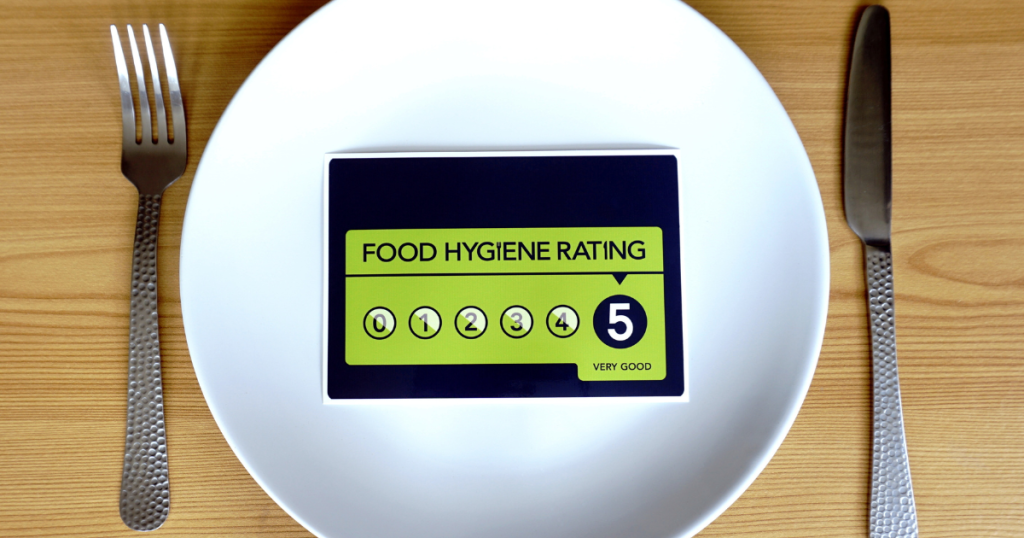
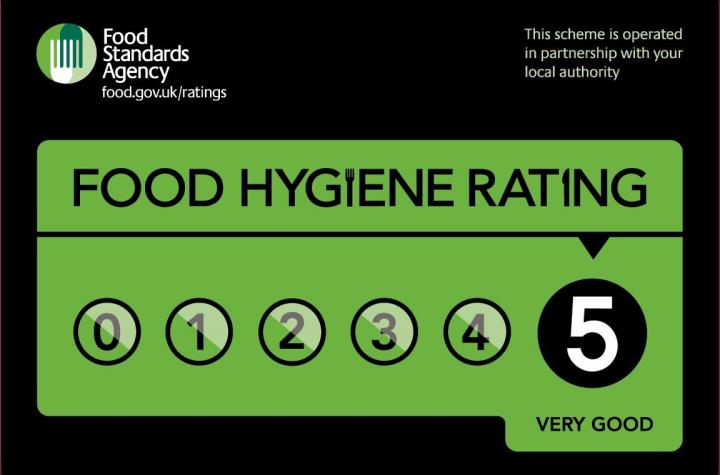
After a food business is inspected, it is given a rating based on the standards observed at the time of the inspection. In most areas of the UK, this rating ranges from 0 to 5. A higher rating indicates that the business is meeting food hygiene standards well, while a lower rating suggests that improvements are needed.
In Scotland, a slightly different system is used called the Food Hygiene Information Scheme. Instead of a numerical score, businesses are assessed as either “Pass” or “Improvement Required”, based on whether they meet the required standards at the time of inspection.
Ratings are based on several factors, including how food is handled, the condition of the premises, and how food safety is managed within the business.
Businesses often display their food hygiene ratings on the front of their premises:
What inspectors look for when assessing food hygiene rating
During an inspection, an Environmental Health Officer assesses how the business operates in practice. This includes observing how food is prepared and stored, as well as how clean and organised the premises are.
They will also look at whether the business has a suitable food safety management system in place, such as Safer Food Better Business (SFBB), and whether it is being used properly.
In addition to what they see, inspectors may ask questions to check that staff understand basic food hygiene principles. This helps them assess whether safe practices are likely to be maintained consistently. It is important to demonstrate to the inspector that you have the required food safety training for your role, so holding a valid Level 2 Food Hygiene Certificate can help do that.
Why food hygiene ratings matter
Food hygiene ratings are publicly available and are often displayed on premises or online. Many customers look at these ratings before deciding where to buy food.
A strong rating can help build trust and confidence, while a lower rating may raise concerns. For this reason, maintaining good hygiene standards is not only a legal requirement but also an important part of running a successful food business.
Improving your food hygiene rating
If your rating is lower than expected, it usually reflects issues identified during your inspection. These may relate to cleaning, food handling, record keeping, or how your food safety system is being used.
Improving your rating involves addressing these issues and making sure the necessary changes are put in place. This may include reviewing your processes, improving staff understanding, and ensuring that standards are maintained consistently.
Once improvements have been made, you may be able to request a re-inspection through your local authority.
How often do food hygiene inspections take place
A new rating is given each time a business is inspected by an environmental health officer from the local authority.
Each local authority plans a programme of inspections every year. The frequency of inspections for a particular food business depends on the potential risk to public health, taking into account factors such as the type of food handled, and the hygiene standards seen during the previous inspection. Businesses that pose a higher risk are inspected more often than businesses that pose a lower risk.
The time between inspections varies from six months for the highest risk businesses to two years for lower risk businesses.